Penguin Poop Is Melting Antarctic Snow by Keeping Algae Green
Scientists found guano-fed green algae absorb 40% more sunlight than clean snow, helping coastal Antarctic snowpacks melt faster, the study said.
- A new study in the Journal of Geophysical Research Biogeosciences found penguin guano fertilizes snow algae, darkening the Antarctic surface and accelerating snowmelt across the region.
- Penguins feast on marine life at sea, then return to land spreading phosphate-rich guano across the snow, fueling dense green algal blooms that boost photosynthesis.
- Green snow absorbs 40% more energy from sunlight than clean snow, while red snow absorbs about 20% more, yet current climate models exclude these biological darkening effects.
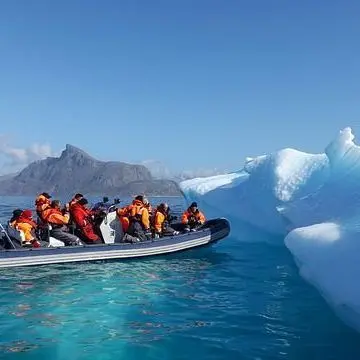
- Researchers traveled through the Drake Passage to the West Antarctic Peninsula collecting samples. Study author Alia Khan, a cryosphere biogeochemist at the University of Colorado Boulder, said fieldwork was intense: "It's very stinky working near penguins."
- As a warming climate nudges penguins further south, guano-fertilized algae blooms will likely spread across Antarctica, expanding the biological darkening effect on snowpacks and accelerating ice-free terrain expansion.
25 Articles
25 Articles

Too much penguin poop in Antarctica is accelerating snow melt and rising sea levels: study
Scientists claim that penguin poop is fertilizing algae, accelerating the greening of Antarctica. Per the study in the Journal of Geophysical Research: Biogeosciences, these flightless birds' droppings are fertilizing algae blooms across the Antarctic Peninsula.

Penguin droppings fertilize algae that darken snow and accelerate coastal melting in Antarctica. One study explains its possible consequences.

Penguin Poop Is Turning Antarctica Green, and Scientists Are Concerned
Penguins are playing an unexpected role in Antarctica’s changing landscape. Penguin droppings are helping turn parts of Antarctica’s snowy coastline green, and the resulting algae blooms could be accelerating the loss of coastal snow. A new study has found that nutrients deposited by penguins support dense growths of microscopic algae that absorb more sunlight, potentially [...]

The penguins of the Antarctic Peninsula have encountered a brown that was not expected. The cause is in their own guano, which fertilizes the blooms of green algae, a phenomenon that in turn contributes to a darkening of the snow with very negative repercussions for the frozen continent.As explains the albedo effect, how much ... Continue reading "Something smells bad in Antarctica: the feces of the penguins are accelerating the thaw"

Penguin Guano Drives Antarctic Snowmelt via Algal Pigmentation
In West Antarctica, the relationship between penguin colonies and snowmelt is not merely observational but mechanistic. A study published in Journal of Geophysical Research: Biogeosciences (JGRB) identifies a direct causal link between the metabolic output of penguin populations and the accelerated melting of the snowpack. The central driver of this interaction is penguin guano, which acts as a nutrient source for specific cryophilic algae, fund…
 Aftenposten

Penguin feces provide nourishment to green snow algae that cause the snow along the coast of Antarctica to melt faster, a study shows.
Coverage Details
Bias Distribution
- 50% of the sources lean Right


Factuality
To view factuality data please Upgrade to Premium